A Voyage in History - The Bridal Costume


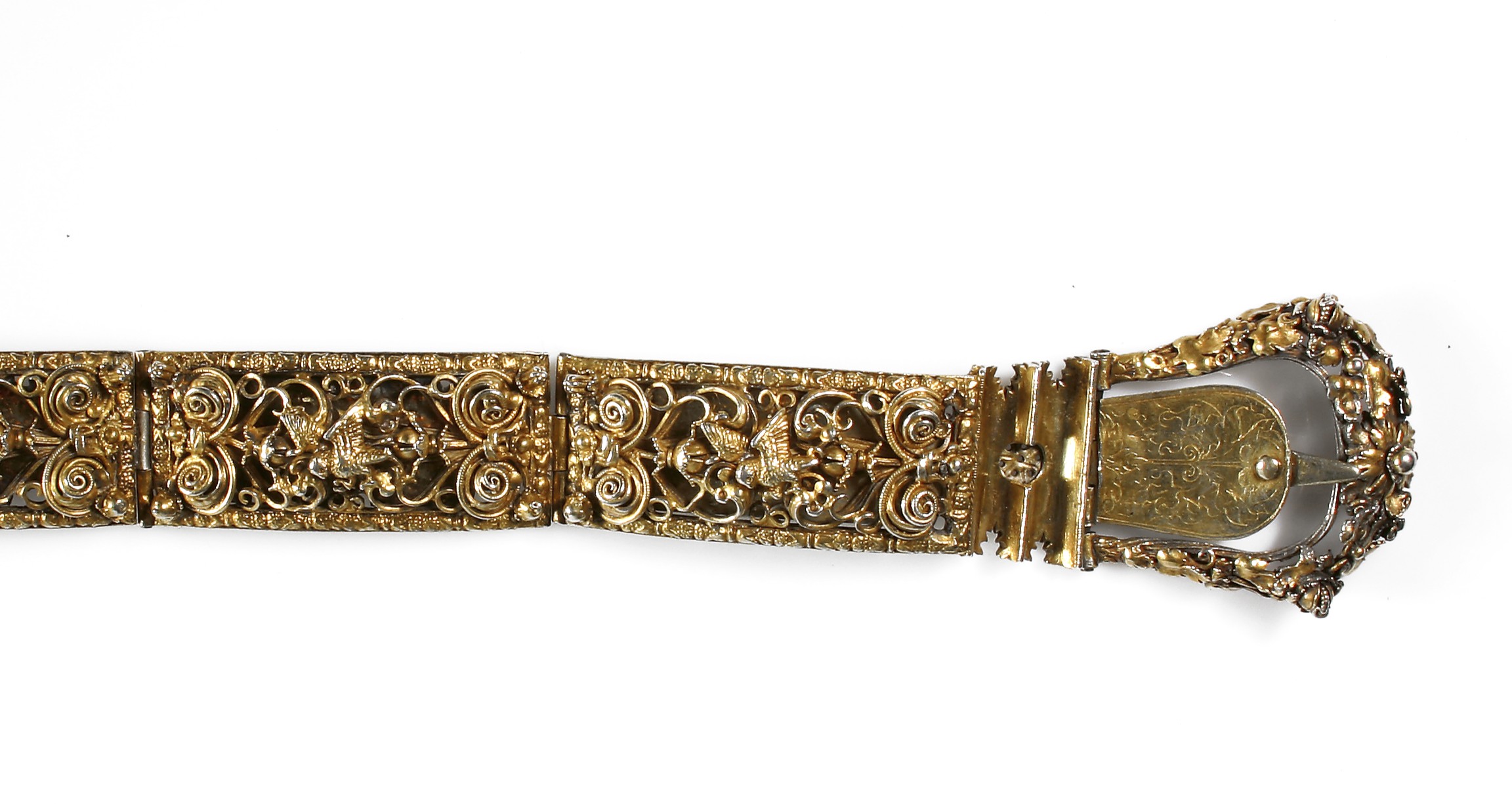
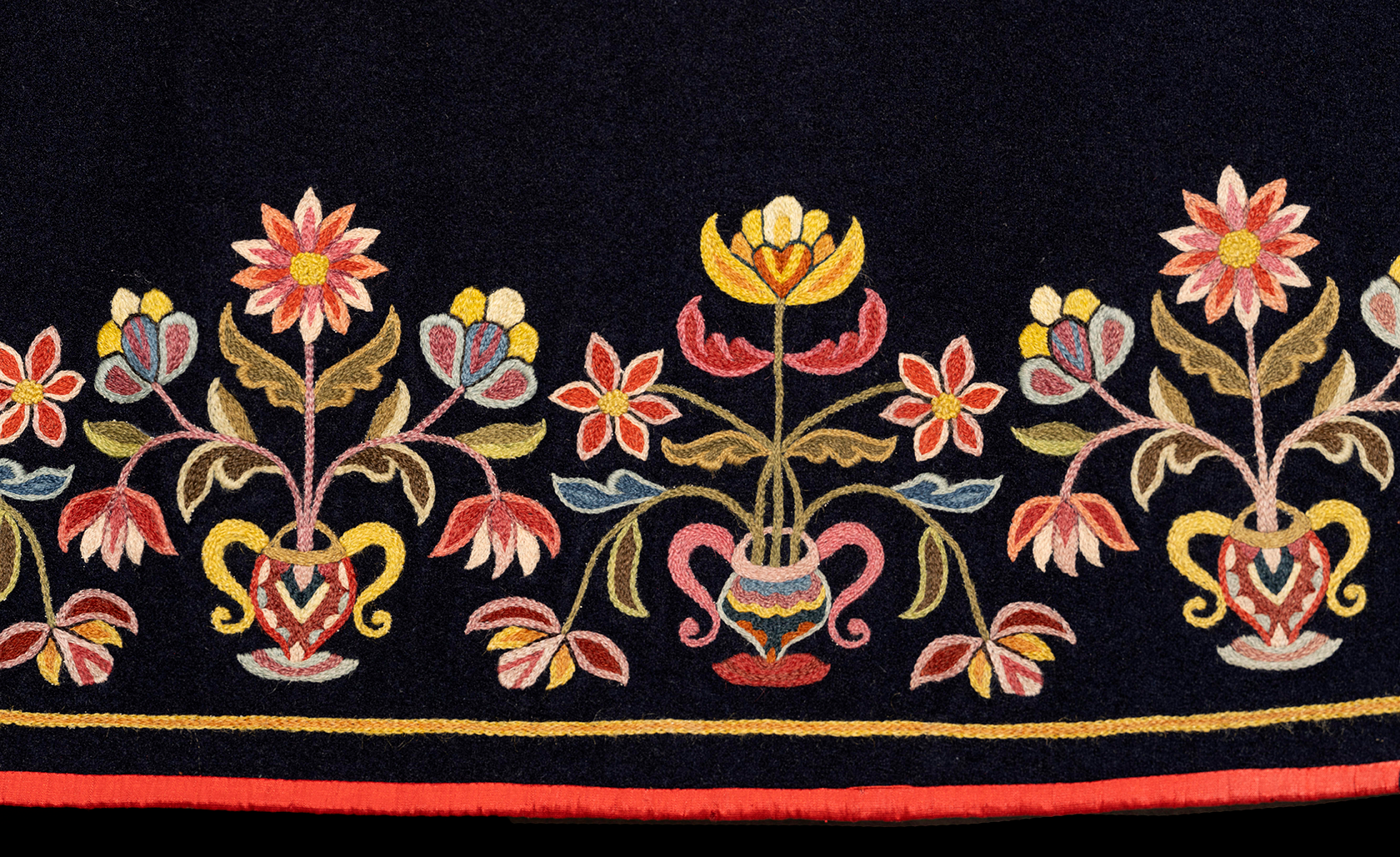
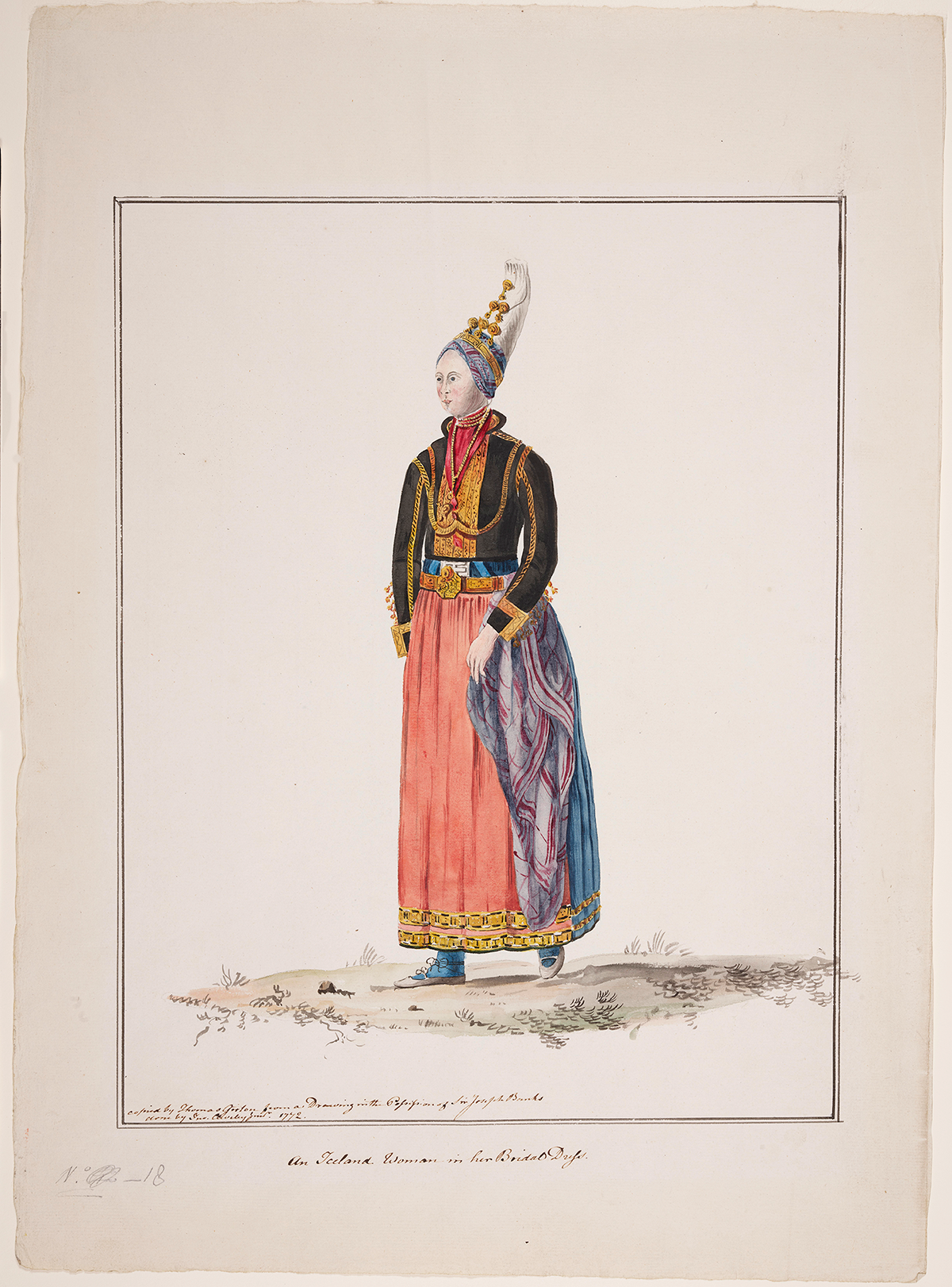
One of the most magnificent bridal costumes in Iceland’s history is to be the highlight of an exhibition in the Arc Hall at the National Museum of Iceland. The costume, dating primarily from the late 18th century, was believed to have been lost in a shipwreck off the south of Iceland. Documentary evidence of the costume existed, and in 1866 Sigurður Guðmundsson “the Painter,” curator and advocate for the establishment of the National Museum and pioneer of the revival of Icelandic costumes, wrote: “That was all lost off the south of the country in 1809, with Englishmen. Our land has utterly lost these objects, and now there is no hope that such fine things may be obtained here in Iceland, or even examples of such objects.”
Later it was discovered that the costume was not lost at sea, but its whereabouts were unknown. In 1963, Elsa E. Guðjónsson, textile and costume specialist, discovered it in the collection of the Victoria and Albert Museum in London. Six years later it was loaned to the National Museum of Iceland for an exhibition, and now it is to return.
The costume has an extraordinary and complex history, that almost defies belief.
- How did this magnificent costume come to be aboard an English ship that caught fire off the Icelandic coast in 1809?
- How did it reach one of England’s leading museums?
- What was the role of Jørgen Jørgensen, the colourful character who was later briefly “protector” or “king” of Iceland, in rescuing the costume from the wreck?
- What is a faldbúningur costume? What makes this one a bridal costume?
- Who owned and wore the extraordinary costume?
- Who was the woman known as Mother of Flowers? Did she embroider any parts of the costume?
- Do any similar costumes exist in Iceland?
The answers to these questions are presented in the exhibition THE BRIDAL COSTUME at the National Museum of Iceland. This is a unique opportunity to see the costume and learn about its extraordinary story from the 18th century until today.
Artist Kristjana S. Williams interprets the bridal costume’s fateful story through a visual presentation among the objects in the exhibition space.
The exhibition will open on May 9th, 2026, and remain open for a year.
Exhibition committee
Freyja Hlíðkvist Ómarsdóttir Sesseljudóttir
Karólína Stefánsdóttir
Harpa Þórsdóttir
Ágústa Kristófersdóttir
Kristín Ýr Hrafnkelsdóttir
Curators
Freyja Hlíðkvist Ómarsdóttir Sesseljudóttir
Karólína Stefánsdóttir
Art works
Kristjana S Williams Studio
Kristjana S. Williams
Souhyung Kim senior designer
Exhibition texts
Ágústa Kristófersdóttir
Freyja Hlíðkvist Ómarsdóttir Sesseljudóttir
Karólína Stefánsdóttir
Proofreading
Embla Ýr Bárudóttir
English translations
Anna Yates
Specialists
Ólöf Bjarnadóttir, registrar
Sandra Sif Einarsdóttir, conservator
Þórir Ingvarsson, conservator
Ívar Brynjólfsson, photographer
Guðrún Hildur Rósenkær, specialist
Head of marketing
Ragnheiður Skúladóttir
Programme of events
Helga Vollertsen
Arna Björg Bjarnadóttir
Graphic design
E&Co
Einar Geir Ingvarsson
Elís Gunnarsdóttir
Lighting design
Hildiberg
Kristján Kristjánsson
Kjartan Óskarsson
Construction/installation
Verkstæðið ehf.
Pétur Örn Friðriksson
Tonie Zetterström
Bræðurnir Baldurson
Gunnar Örn Gunnarsson
Vilhjálmur H. Ólafsson
The National Museum of Iceland expresses its thanks to the government of Iceland for its support in the creation of this exhibition.
Grateful thanks for assistance and for the loan of objects for the exhibition:
Victoria and Albert Museum, London
Annríki – Þjóðbúningar og skart: Guðrún Hildur Rosenkjær and Ásmundur Kristjánsson

Ljósmyndir úr safneign og sérhannaðar fallegar vörur sem tengjast sýningarhaldi