Future preservation of past life: A multidisciplinary investigation into preservation of ancient biological remains from medieval cemeteries
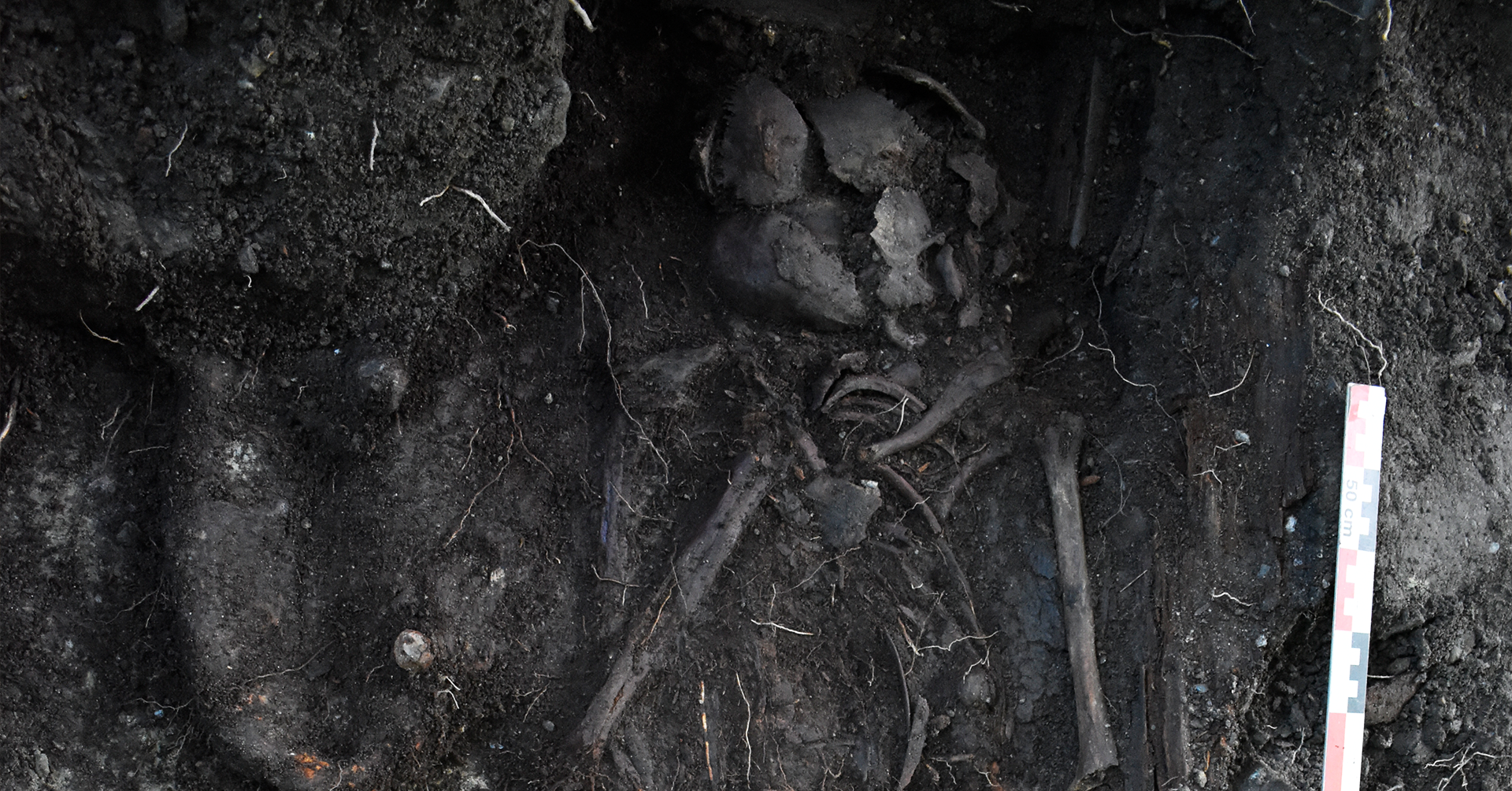
The remains of ancient past life, plants, animals, and humans, often appear unrecognizable, brown, and fragmented, sometimes leaving just a stain or a microscopic trace in the soil. Why and how should we care for this type of material for future research?
In the study of past humans, few finds are more telling than human remains themselves. Bones and teeth have always provided important evidence for archaeologists, but have recently become increasingly more valuable with the advent of new methods such as ancient DNA and protein analyses. Such biomolecules tell the stories of individuals and populations through time. Unfortunately, the material is sensitive to decay and contamination which may compromise analyses. It is thus important to understand the complicated mechanisms responsible for the degradation, or preservation, of biological remains. These are complex materials entangled within the intricacies of the environment for hundreds or thousands of years. Furthermore, biomolecules are invisible to the naked eye. What factors determine the preservation of archaeological biological remains at various levels, macroscopic, microscopic, and molecular, in- and ex-situ?
To investigate this question, the Future Past project (2021-2026) carried out an excavation, and installed environmental monitoring in an urban medieval cemetery in Stavanger, Norway. The conditions of the freshly excavated remains are then compared to the skeletal remains already in the museum collections. The project combines traditional archaeology with environmental science and molecular biology, using state-of-the-art methods to analyse both the material and environmental conditions, as well as providing insights into past life histories and population dynamics of the region in the medieval to post-medieval period.
The lecture will be in English.
A museum ticket is needed for entry to the event. Please note that an admission ticket is equivalent to an annual pass to the museum.
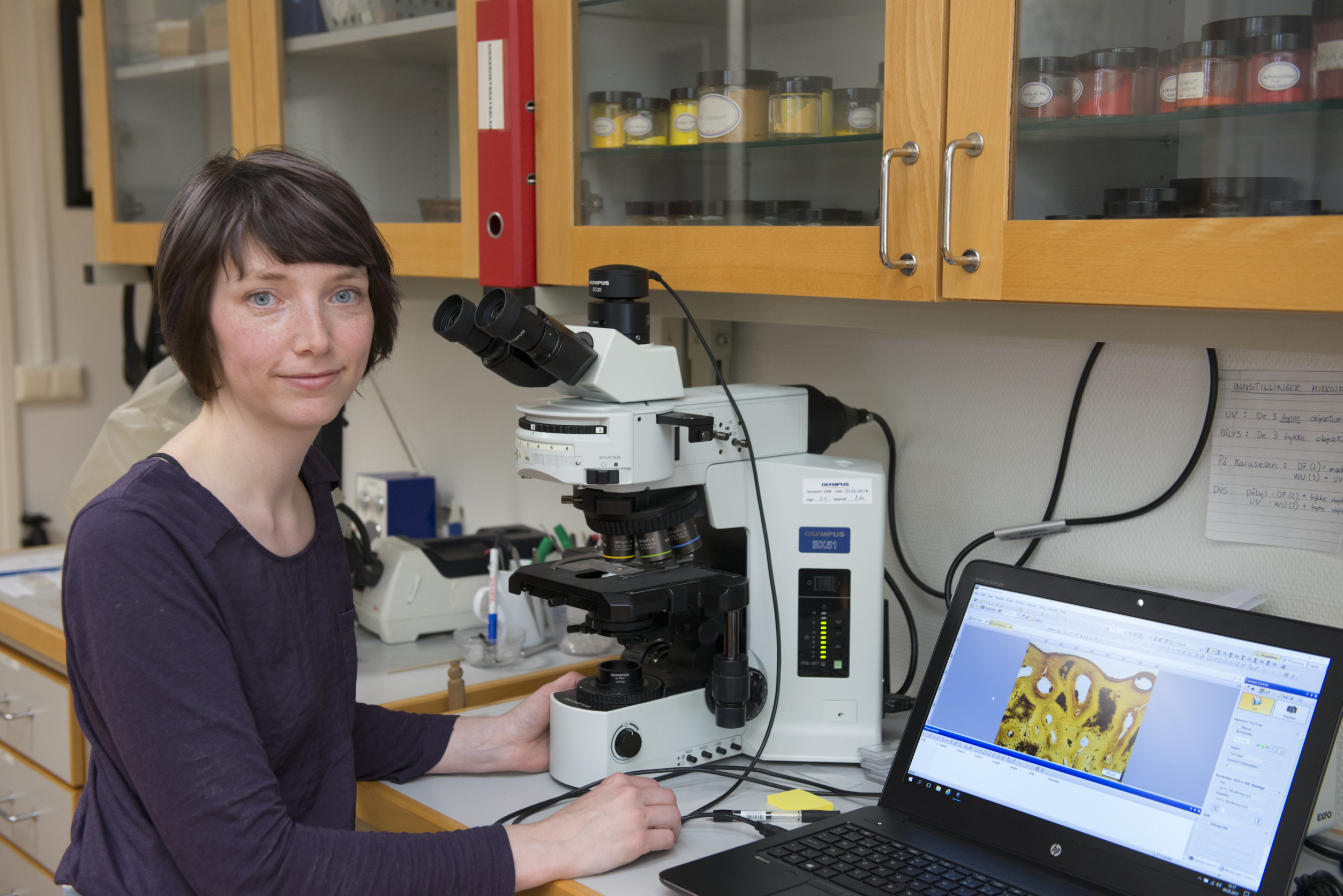
Hege Ingjerd Hollund is a senior researcher in conservation science at the Archaeological Museum, University of Stavanger. Her research lies at the intersection of archaeology, conservation science, and bioarchaeology, with a particular focus on preservation issues related to archaeological skeletal material. Currently, she is leading the research project "Future Past: Future Preservation of Past Life," a multidisciplinary investigation into the preservation of ancient biological remains from medieval cemeteries. This project focuses on the environmental factors that affect the preservation of bioarchaeological remains and the bioarchaeological information they contain. The research has entailed the excavation and environmental monitoring of medieval cemeteries, as well as the analysis of skeletons and other grave remains, both to understand the conditions of preservation and life in the past. This includes palaeogenetic analyses of human skeletons, which are being carried out in collaboration with a team at DeCode, Iceland.